
My Child Lebensborn
Hypotyposis LimitedSimulation
4.81.11K Reviews
- Version
- 2.0.114
- Installs
- 500.00K
- Age Rating
- Teen
Screenshots
Our Review of My Child Lebensborn
 Analysis by Appyee
I went into My Child Lebensborn expecting a parenting game, but its real focus is the pressure of caring for a child who is facing prejudice and hardship. That makes it a very different sort of simulation: the point is not to build a perfect household or chase a high score, but to pay attention, make difficult choices, and live with their emotional weight. I found it affecting, though its subject matter means it is best approached when you have the time and headspace for a serious story.
How quickly the story draws you in
This is a story-led game rather than a simulation built around fast reactions or complicated controls. I found the appeal in the small decisions and their context, not in rushing through tasks. If you usually play in short sessions, the format can work well: a brief visit lets you check in on everyday needs and continue the narrative without demanding the concentration of a long strategy match.
That slower pace is also a trade-off. The emotional scenes need room to land, and someone looking for constant action may find the experience restrained. I would not treat it as background entertainment while multitasking; conversations and choices matter more when I give them my attention. It suits a quiet break better than a quick game played with one eye on something else.
Where the simulation asks for attention
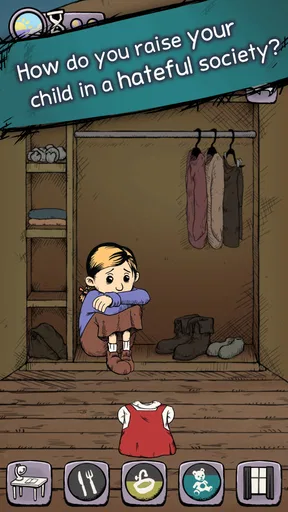
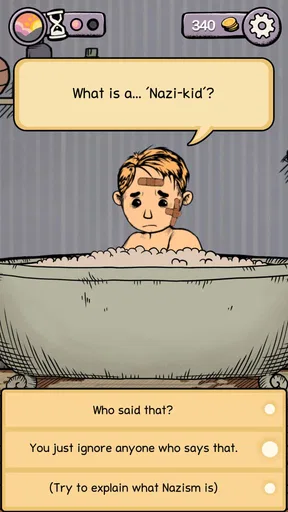
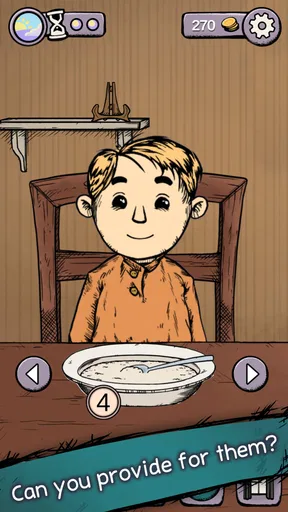
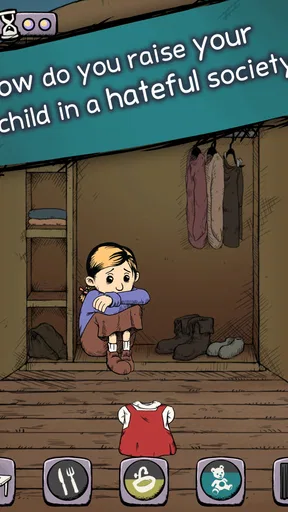
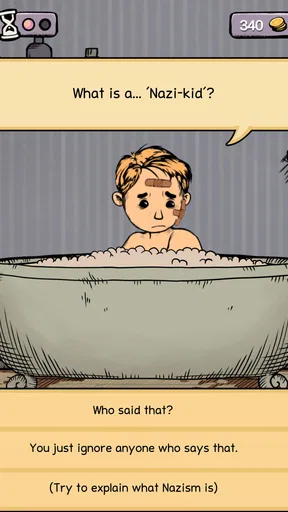
The more demanding moments come from balancing care with limited means while responding to what the child is going through. Feeding, clothing, and finding ways to entertain them sit alongside decisions about difficult conversations and bullying. I found that this combination makes routine tasks feel connected to the story rather than like chores added to fill time.
A useful way to approach those moments is to pause before choosing the answer that seems easiest. The game’s situations are emotionally loaded, and a quick, tidy response may not feel right for the child in front of you. I paid attention to the tone of a conversation and treated care as more than keeping basic needs covered. That doesn’t make every outcome comfortable, but discomfort is part of what the story is asking me to consider.
A realistic session might be a few minutes after dinner: I open the game, take care of a need, earn money through the work the game gives me, and then face a conversation I would rather postpone. That is a better fit for the experience than trying to clear every task in one sitting. If a scene leaves you thinking, it is reasonable to stop there and return later instead of pushing through the next event just to make progress.
What kind of game this is—and is not
Compared with the usual life-simulation alternatives, this one is unusually focused. It is not trying to offer a broad sandbox for designing a home, collecting items, or directing a whole family. Its center is one adoptive parent and one child, with the historical setting and the child’s treatment by others shaping the everyday decisions. That focus gives the story a clearer emotional line, but it also means there is less appeal if you want open-ended customization or a light, endlessly repeatable routine.
I would recommend it to players who enjoy narrative games, are curious about postwar history, or want a simulation that asks them to think about empathy rather than optimization. It is a weaker match for anyone seeking cheerful escapism, competitive play, or a pressure-free parenting fantasy. The subject matter includes exclusion and bullying, so it may also be a poor choice when you are not in the mood for emotionally difficult scenes. The Teen age rating is a useful reminder that this is not aimed at very young children.
The Story Behind the Game
Set in Norway post-World War II, My Child Lebensborn places you in the shoes of an adoptive parent to a child born under the Nazi regime's Lebensborn program. This isn’t your typical rosy-cheeked family simulation. Instead, it dives deep into the complexities and challenges faced by these children, who were often shunned and ostracized due to their heritage.
The game does an exceptional job of blending history with storytelling. You’ll find yourself navigating through daily life, making decisions that impact your child’s well-being, and dealing with the harsh realities they face. It’s not all gloom, though—there are heartwarming moments that will make you smile and feel proud of the progress you and your child make together.
Gameplay and Mechanics
Gameplay in My Child Lebensborn revolves around managing resources and making choices that affect your child's mood, health, and overall happiness. You’ll be tasked with feeding, clothing, and entertaining your child, all while working to earn money and make ends meet. It's a balancing act that mirrors real-life parenting challenges.
What sets this game apart is the emotional depth. Every decision you make, from how you respond to your child's questions to how you handle bullying from other children, has consequences. The game presents these choices in a way that feels organic and natural, rather than forced or artificial.
Visuals and Soundtrack
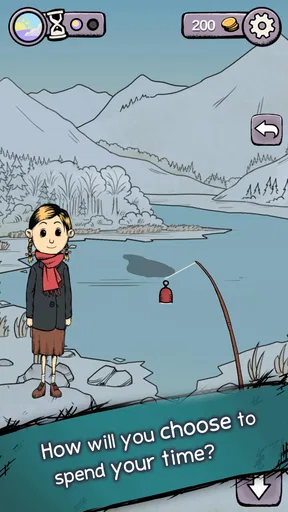
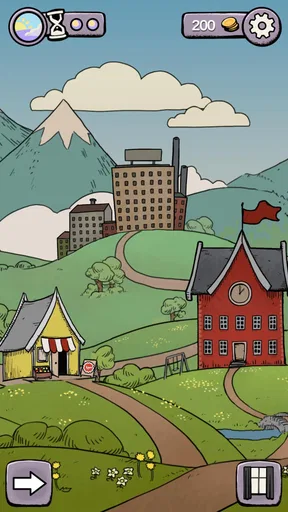
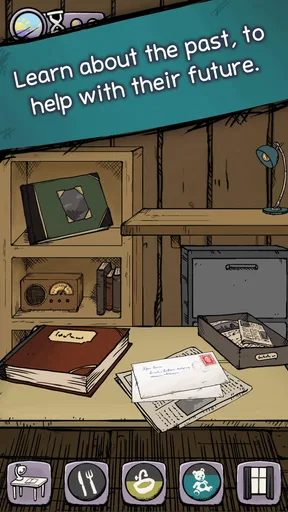
The art style of My Child Lebensborn is beautifully crafted, with hand-drawn animations that bring a quaint, storybook feel to the game. The color palette is soft and muted, which complements the game’s serious themes without being overwhelming. The attention to detail in the visuals helps draw you into the world, making the experience all the more immersive.
The soundtrack is subtle yet effective. It doesn't overpower the narrative but instead enhances it, with gentle piano and string compositions that reflect the emotional undertones of the story. It’s the kind of background music that perfectly matches the game’s mood and setting.
Practical expectations before you play
On the store, the game has a 4.8 average from around fourteen thousand ratings, and it has passed half a million installs. Those figures suggest a substantial audience for this kind of focused, emotional simulation, but they do not tell you whether its subject matter will suit your mood. I would use them as context, not as a promise that every player will enjoy the same pace or story.
It costs $2.99, so this is a paid game rather than a free trial you can casually sample. I’d decide based on whether its premise appeals to you and whether you are comfortable spending time with difficult themes. Hypotyposis Limited is the developer, and the game’s current version is 2.0.114. It was released on May 7, 2018, and lists Android 5.1 as its minimum operating system, which is helpful if you are checking an older device before installing.
Because this is a reflective experience, I would avoid treating it as a performance test or expecting it to behave like a demanding action game. The important practical question is whether your device can run the listed version and whether you can play with enough focus to follow the story. I would also keep expectations modest about recovery: if you need to step away, do so at a natural pause rather than assuming the game will preserve every moment exactly as you left it.
Stability, device fit, and the final call
My overall impression is of a game whose main demands are emotional attention and steady decision-making, not speed. I would choose it for a calm session on a compatible device, especially when I want a story that gives ordinary care real meaning. I would skip it if I needed a light distraction, an open-ended sandbox, or a game whose enjoyment depends on rapid action and constant rewards.
The strongest practical tip is to play in a way that matches the material: give conversations your attention, take breaks when a scene feels heavy, and do not mistake every uncomfortable choice for a puzzle with one obvious answer. That approach makes the game’s distinctive focus easier to appreciate. For players drawn to its historical setting and intimate scale, it is a thoughtful alternative to broader life sims; for everyone else, a lighter management game may be a better fit.
Why You Should Play
My Child Lebensborn isn’t just a game; it’s an experience that challenges you to think deeply about history, empathy, and the impact of war on innocent lives. It’s rare to find a game that can evoke such a wide range of emotions while simultaneously educating players about a lesser-known part of history.
As you guide your child through their formative years, you’ll find yourself reflecting on your decisions long after you’ve put down your device. It's a testament to the game’s powerful storytelling and well-crafted characters.
If you’re looking for a game that’s not only engaging but also meaningful, then this is definitely worth your time. Whether you’re a history buff or just someone who enjoys narrative-driven games, My Child Lebensborn offers a unique and memorable experience.
So, what are you waiting for? Dive into this poignant journey and discover what it means to truly care for someone in a world that’s often unforgiving. It’s a game that’ll stick with you and one you won’t soon forget.
Verdict
Strengths of My Child Lebensborn
- Engaging and emotional storytelling.
- Beautiful, hand-drawn graphics.
- Thought-provoking moral choices.
- Smooth, user-friendly interface.
- Strong character development.
Limitations of My Child Lebensborn
- Limited replay value after completion.
- Somewhat short gameplay duration.
- May be emotionally intense for some.
- Lacks voice acting for dialogues.
- No multiplayer or co-op features.
Similar Picks in This Category
View All
Truckers of Europe 3
Wanda Software4.3

Town Building Life Simulator
XGame Global4.2

Fidget Toys Trading・Pop It 3D
Freeplay Inc4.7

Sculpt People
CrazyLabs LTD4.4

Scary Teacher 3D
Z & K Games4.2

Hair Tattoo: Barber Shop Game
CASUAL AZUR GAMES4.3
Frequently Asked Questions
What is My Child Lebensborn about?
My Child Lebensborn is an emotionally engaging simulation game where you adopt and care for a child born during World War II. The game explores themes of discrimination and the struggles faced by children of enemy soldiers, offering a unique narrative experience that encourages empathy and understanding.
Is there any in-game content that might not be suitable for children?
Yes, My Child Lebensborn deals with mature themes such as bullying, discrimination, and the impact of war. While the game does not contain graphic violence, its emotional and historical depth may be more appropriate for older teens and adults. Parents should be aware of the content before allowing younger players to engage.
Are there any in-app purchases in My Child Lebensborn?
My Child Lebensborn is a premium app, meaning you pay once to download the game. There are no in-app purchases, subscriptions, or ads, allowing for an uninterrupted and immersive experience. This makes it a great choice for those who prefer a complete game without additional costs.
How does the decision-making aspect of the game work?
The game features a decision-making mechanic where your choices directly impact the child's well-being and development. You must balance resources, such as food and money, while making decisions that affect the child's emotional and physical health. This adds a strategic layer to the gameplay, making each playthrough unique.
Can you replay My Child Lebensborn for a different experience?
Absolutely. My Child Lebensborn offers multiple endings based on the decisions you make throughout the game. This encourages replayability, as different choices will lead to different outcomes, allowing you to explore various paths and the consequences of your actions on the child’s life.
Play our best games!


